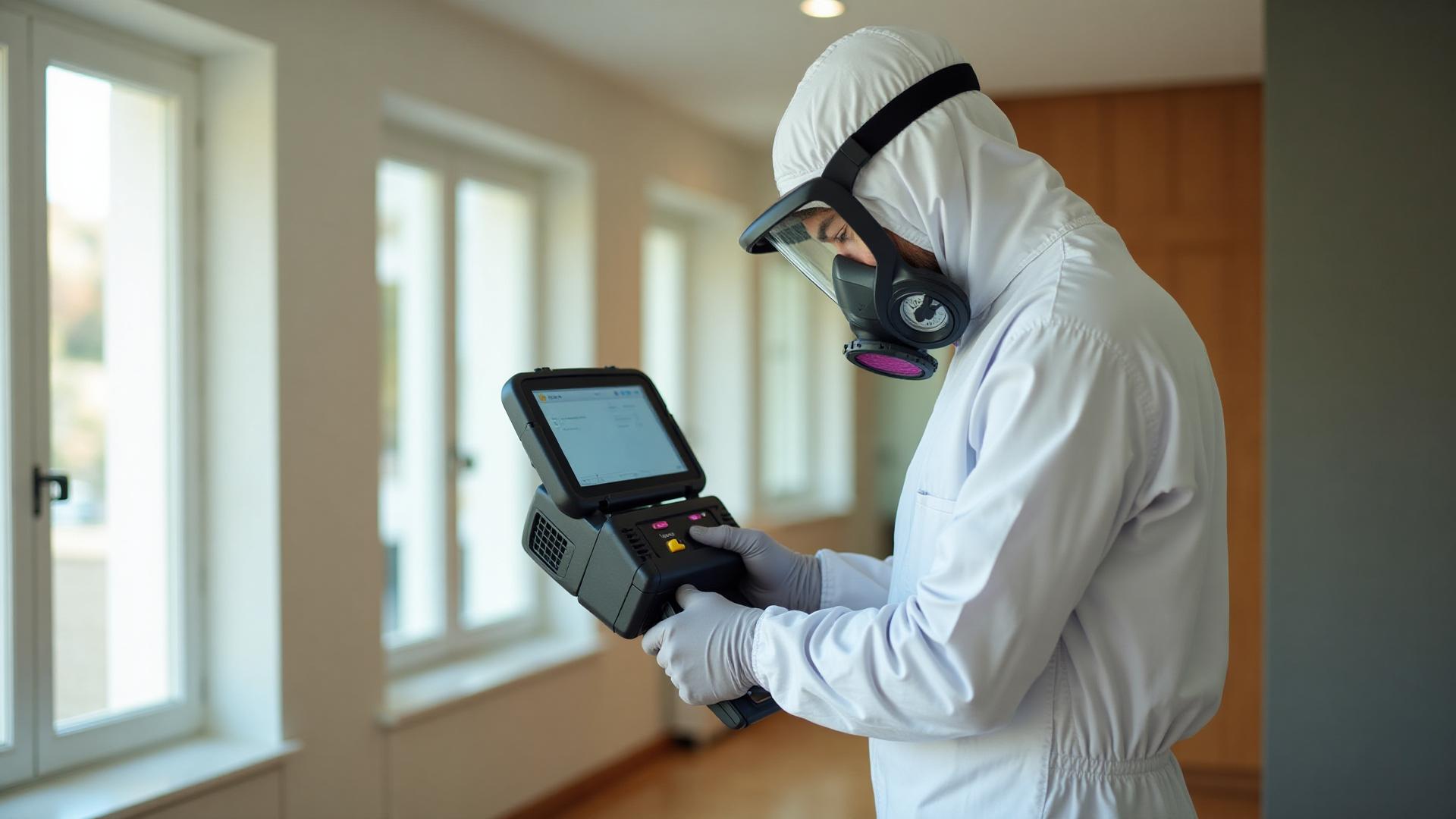
When Homes Require Mold Remediation in North Miami
North Miami, along with nearby communities including North Miami Beach, Sunny Isles Beach, Bal Harbour, Aventura, Miami Shores, Surfside, and Biscayne Park, offers a mix of waterfront properties, older homes, and modern construction. While the tropical climate, coastal humidity, and heavy seasonal rains make this area vibrant and lush, they also create ideal conditions for mold growth. For homeowners, landlords, and property managers, understanding when mold remediation is necessary is crucial to maintaining a safe, healthy, and structurally sound home.
Mold isn’t always visible, and by the time it is noticeable, it may already be affecting walls, ceilings, carpets, and indoor air quality. Prompt assessment and remediation are essential for protecting both property value and occupant health.
Understanding Mold and Its Impact
Mold is a type of fungus that thrives in moist environments. In North Miami homes, it often develops when water intrusion, high humidity, or condensation goes unaddressed. While some mold growth may be minor and manageable, larger infestations require professional remediation.
Unchecked mold can:
- Compromise structural elements like drywall, wood framing, and flooring.
- Reduce indoor air quality, contributing to odors and airborne spores.
- Accelerate material degradation due to moisture interaction.
- Create persistent cleaning challenges when carpets, furniture, or upholstery are affected.
Recognizing the early warning signs and understanding the conditions that promote mold growth helps homeowners act before problems become severe.
Common Causes of Mold in North Miami Homes
1. High Humidity and Tropical Climate
North Miami experiences high year-round humidity, often exacerbated by coastal breezes and the proximity to Biscayne Bay. Humid air creates moisture-laden conditions ideal for mold development on walls, ceilings, and in crawl spaces.
2. Water Intrusion
Water intrusion is a leading cause of mold in local homes. Sources include:
- Roof or window leaks during storms.
- Plumbing leaks behind walls or under sinks.
- Flooding during tropical storms or heavy rainfall.
- AC condensation leaks or poor drainage.
Even minor leaks left untreated can lead to hidden mold growth over time.
3. Poor Ventilation
Areas with limited airflow—such as bathrooms, attics, or crawl spaces—retain moisture longer, providing a breeding ground for mold. Homes without sufficient exhaust fans, vents, or proper AC airflow are especially vulnerable.
4. Flood Damage or Water Damage
After flooding or water damage, carpets, padding, drywall, and subflooring may remain damp. If these materials are not thoroughly dried, mold growth can begin within 24–48 hours.
Early Signs Homeowners Should Watch For
Identifying mold early allows for faster remediation and less structural impact. Common signs include:
- Visible growth: Black, green, or white patches on walls, ceilings, or wood.
- Musty odors: Persistent smells in closets, attics, or hidden spaces.
- Discoloration or water stains: Yellowing or dark spots may indicate hidden moisture and mold.
- Warping or deterioration: Wood, flooring, or baseboards may swell or soften.
- Health indicators: Sneezing, irritation, or allergic reactions that occur indoors.
Even if mold isn’t visible, these indicators can suggest a developing problem that warrants professional inspection.
Hidden Sources of Mold
Some of the most significant mold issues occur in concealed areas:
- Inside walls and ceilings: Leaks behind drywall can create hidden colonies.
- Under flooring and carpets: Padding and subflooring retain moisture after flooding.
- Attics and crawl spaces: Poor ventilation traps humidity and promotes microbial growth.
- Ductwork and HVAC systems: Mold spores in air ducts can spread throughout the home.
Professional remediation includes identifying and treating these hidden sources to prevent recurrence.
Why DIY Mold Removal Often Fails
Homeowners may attempt to remove mold themselves using household cleaners or bleach, but these efforts often fail because:
- Surface cleaning does not address mold behind walls, under floors, or in ducts.
- Incomplete removal can allow mold to return quickly.
- DIY methods may damage materials or fail to neutralize spores effectively.
- High humidity and hidden moisture make mold removal more challenging.
Professional remediation ensures thorough treatment, including both visible and hidden mold, using specialized equipment and techniques.
Professional Mold Inspection and Testing
A professional mold inspection in North Miami typically involves:
- Visual inspection: Identify visible mold, water damage, and moisture hotspots.
- Moisture detection: Use moisture meters and thermal imaging to locate hidden damp areas.
- Air sampling: Assess spore concentration in indoor air to understand contamination levels.
- Surface testing: Test affected surfaces in attics, crawl spaces, walls, or ducts.
- Lab analysis: Confirm types of mold present and determine the best remediation approach.
These steps ensure an accurate assessment and help prioritize treatment areas.
Mold Remediation Process
Professional mold remediation in North Miami homes follows a systematic approach:
- Containment: Isolate affected areas to prevent mold spores from spreading during cleanup.
- Removal of damaged materials: Safely remove mold-infested drywall, insulation, carpet, or padding.
- Cleaning and treatment: Clean salvageable surfaces using antimicrobial agents and HEPA vacuuming.
- Drying and dehumidification: Use air movers and dehumidifiers to eliminate residual moisture.
- HVAC cleaning: Clean ducts and air handling systems to prevent airborne spore distribution.
- Restoration: Replace removed materials and repair structural damage.
Following this process ensures both immediate and long-term mitigation of mold problems.
Long-Term Prevention Strategies
After remediation, homeowners can reduce the risk of future mold growth by:
- Maintaining AC systems: Regularly clean and inspect units, drip pans, and condensate lines.
- Monitoring humidity: Use dehumidifiers and keep indoor humidity between 30–50%.
- Promptly addressing leaks: Fix plumbing, roofing, or window leaks immediately.
- Improving ventilation: Install exhaust fans in bathrooms, kitchens, and attics.
- Routine inspections: Periodic professional assessments catch moisture issues before mold develops.
- Water-resistant materials: Consider mold-resistant drywall or insulation in high-risk areas.
These proactive steps protect the home’s structure, indoor air quality, and the health of occupants.
Why Local Expertise Matters
North Miami homes face unique challenges due to:
- Coastal humidity and high moisture levels.
- Stormwater intrusion and seasonal flooding.
- Older homes with slab foundations or hidden leaks.
- AC systems and ductwork susceptible to condensation and mold spread.
Tip Top Water and Fire Damage Restoration provides mold inspection, testing, and remediation services specifically tailored for North Miami and surrounding neighborhoods including North Miami Beach, Sunny Isles Beach, Bal Harbour, Aventura, Miami Shores, Surfside, and Biscayne Park. Local experience ensures that remediation addresses both visible and hidden issues and protects homes from recurring mold problems.
Calm, Trust-Based Call to Action
Mold in North Miami homes is often more than a cosmetic issue—it affects indoor air quality, building materials, and long-term property value. Professional inspection and remediation provide a safe, effective, and thorough solution, addressing both visible and hidden mold growth. By combining expert treatment with preventive measures such as AC maintenance, humidity control, and routine inspections, homeowners can safeguard their homes and maintain a healthy indoor environment. Trusting local professionals ensures solutions are tailored to the unique conditions of North Miami’s coastal climate, protecting both property and peace of mind.