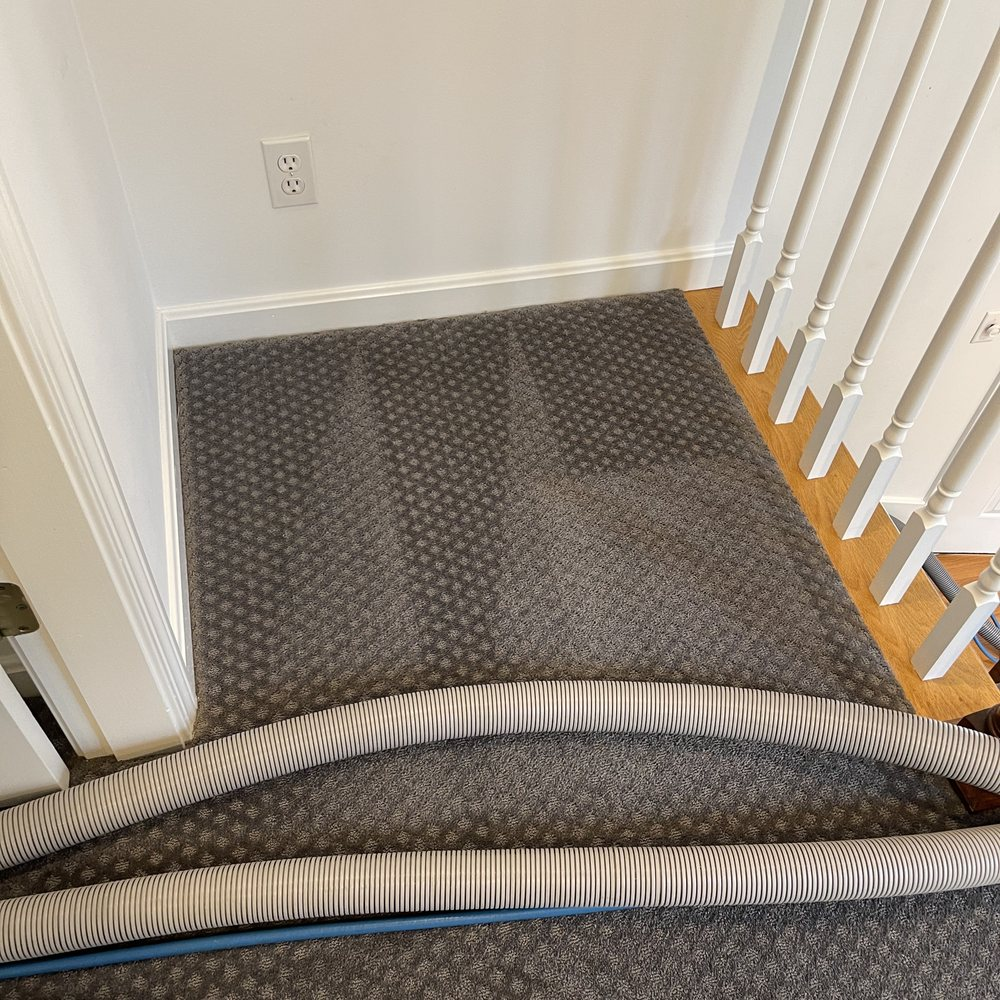
Why Carpet Cleaning After Water Damage Becomes Necessary in Bal Harbour After Roof Leaks
Carpets are a central feature of many homes in Bal Harbour, providing comfort, insulation, and aesthetic appeal. However, when a roof leak occurs, carpets are among the first interior materials to absorb water. While some homeowners may assume that drying the carpet naturally is enough, professional carpet cleaning after water damage is crucial to preserve health, prevent structural damage, and maintain property value.
In coastal areas like Bal Harbour, roof leaks are common due to heavy rains, storms, and aging roofing systems. Water intrusion from leaks can saturate carpets, padding, and the subfloor beneath, creating conditions that encourage mold, mildew, and bacterial growth. Understanding why carpet cleaning is necessary after water damage, the risks of neglecting it, and the professional restoration process is essential for homeowners who want to protect their properties and residents’ health.
The Role of Carpets in Water Damage Scenarios
Carpets, though visually appealing, are highly absorbent. When water from a roof leak enters the home, carpets act like sponges, soaking up water and spreading moisture to underlying padding and subflooring. This creates multiple risks:
- Hidden Moisture: Water trapped under carpets may go unnoticed, causing long-term damage.
- Structural Impact: Moisture can seep into wooden subfloors, weakening structural components over time.
- Mold Growth: Carpets and padding are organic materials that encourage mold and bacteria proliferation if not properly cleaned.
- Odor Retention: Trapped water causes musty odors that penetrate fibers and require professional treatment to remove.
In Bal Harbour, where high humidity and coastal weather are common, these risks are magnified, making carpet cleaning an essential step after water damage.
Common Causes of Roof Leak-Related Carpet Damage
1. Heavy Rainstorms
Coastal storms can overwhelm roofing materials, allowing water to seep through minor cracks, damaged shingles, or aging flashing.
2. Aging Roofs
Older roofs may have compromised waterproofing layers, allowing even small amounts of rainfall to saturate interior spaces.
3. Poor Roof Maintenance
Clogged gutters, debris, and neglected flashing can lead to localized leaks that gradually affect carpets and flooring.
4. Structural Shifts
Subtle settling or movement in roof supports can create small gaps or punctures that let water enter, gradually damaging carpeted areas.
Health Implications of Neglecting Carpet Cleaning
Failing to clean water-damaged carpets can have serious health consequences:
- Mold and Mildew Growth: Mold can appear within 24–48 hours in damp carpeting, releasing spores into the air that trigger respiratory issues.
- Allergens: Dust, dirt, and bacteria trapped in wet carpets increase allergen exposure.
- Bacterial Contamination: Standing water may contain bacteria, particularly in cases where roof water mixes with debris or dirty gutters.
- Indoor Air Quality: Damp carpets emit odors and volatile compounds that reduce air quality and comfort.
For homes with children, elderly occupants, or individuals with respiratory conditions, untreated water-damaged carpets pose a serious health risk.
The Professional Carpet Cleaning Process After Water Damage
Carpet cleaning following water damage is a multi-step process that ensures both visible and hidden moisture is addressed:
1. Assessment and Inspection
Professionals evaluate the extent of water damage, including:
- Carpet saturation level
- Condition of padding and subfloor
- Signs of mold or mildew growth
- Presence of contaminants from roof runoff
2. Water Extraction
Industrial-grade water extractors remove standing water from carpets and padding. Rapid extraction reduces drying time and minimizes mold risk.
3. Carpet Drying
High-powered air movers and dehumidifiers are used to dry carpets thoroughly. Professionals monitor moisture levels to ensure carpets, padding, and subfloor are completely dry.
4. Deep Cleaning
Even after drying, carpets may contain dirt, bacteria, and residual contaminants. Deep cleaning includes:
- Hot water extraction or steam cleaning
- Application of antimicrobial treatments to prevent mold growth
- Specialized cleaning for odor removal
5. Inspection and Quality Assurance
After cleaning, professionals verify that moisture levels are safe, carpets are free from mold, and no residual odors remain. Any unsalvageable padding may be replaced.
Risks of DIY Carpet Drying
Many homeowners attempt to dry carpets themselves using fans or portable vacuums. While this may address visible water, it rarely removes hidden moisture in padding or subflooring. Common mistakes include:
- Incomplete Drying: Moisture trapped beneath the carpet can lead to mold within days.
- Ineffective Mold Prevention: DIY cleaning often lacks antimicrobial treatments.
- Inconsistent Odor Removal: Lingering musty smells may persist without professional techniques.
- Property Damage: Overlooking water under baseboards or structural materials can result in costly repairs later.
Professional carpet cleaning ensures a thorough, lasting solution that protects both health and property.
Preventive Measures for Bal Harbour Homeowners
After addressing a roof leak and cleaning water-damaged carpets, homeowners can take steps to prevent future issues:
- Regular Roof Maintenance: Inspect and repair shingles, flashing, and gutters annually.
- Install Moisture Barriers: Place barriers under carpets in flood-prone areas to reduce subfloor saturation.
- Monitor Humidity Levels: Use dehumidifiers during wet seasons to reduce indoor moisture.
- Immediate Leak Response: Address roof leaks promptly to prevent water from reaching carpets and subflooring.
- Professional Inspections: Schedule periodic inspections for hidden water damage, particularly in older homes or coastal properties.
Unique Challenges in Coastal Properties
Bal Harbour homes face specific challenges that make professional carpet cleaning especially important:
- High Humidity: Coastal air slows drying and promotes mold growth.
- Saltwater Exposure: Salt-laden air and water can corrode subflooring and carpet fibers.
- Older Construction Materials: Older homes may have porous padding and wooden subfloors that retain moisture longer.
- Storm Frequency: Recurrent roof leaks or storm damage require vigilant maintenance and rapid restoration.
Long-Term Benefits of Professional Carpet Cleaning
- Protects Structural Integrity: Prevents water from seeping into subflooring and wood framing.
- Improves Indoor Air Quality: Removes mold spores, bacteria, and allergens.
- Preserves Carpet Longevity: Deep cleaning and proper drying maintain carpet appearance and durability.
- Prevents Costly Repairs: Early intervention reduces the need for extensive renovations due to mold or rot.
- Enhances Health and Comfort: Ensures a safe living environment for all occupants.
Conclusion
Carpet cleaning after water damage caused by roof leaks is not merely cosmetic—it is a critical step in maintaining home health, safety, and structural integrity in Bal Harbour. Coastal properties face unique challenges, including high humidity, salt exposure, and older construction materials, making professional intervention essential.
By understanding the risks, engaging qualified restoration services, and implementing preventive measures, homeowners can protect their property, prevent mold and bacterial growth, and maintain a comfortable, healthy living environment. Rapid response and thorough carpet cleaning are the keys to minimizing damage, reducing health hazards, and ensuring long-term property resilience in the face of indoor flooding.