
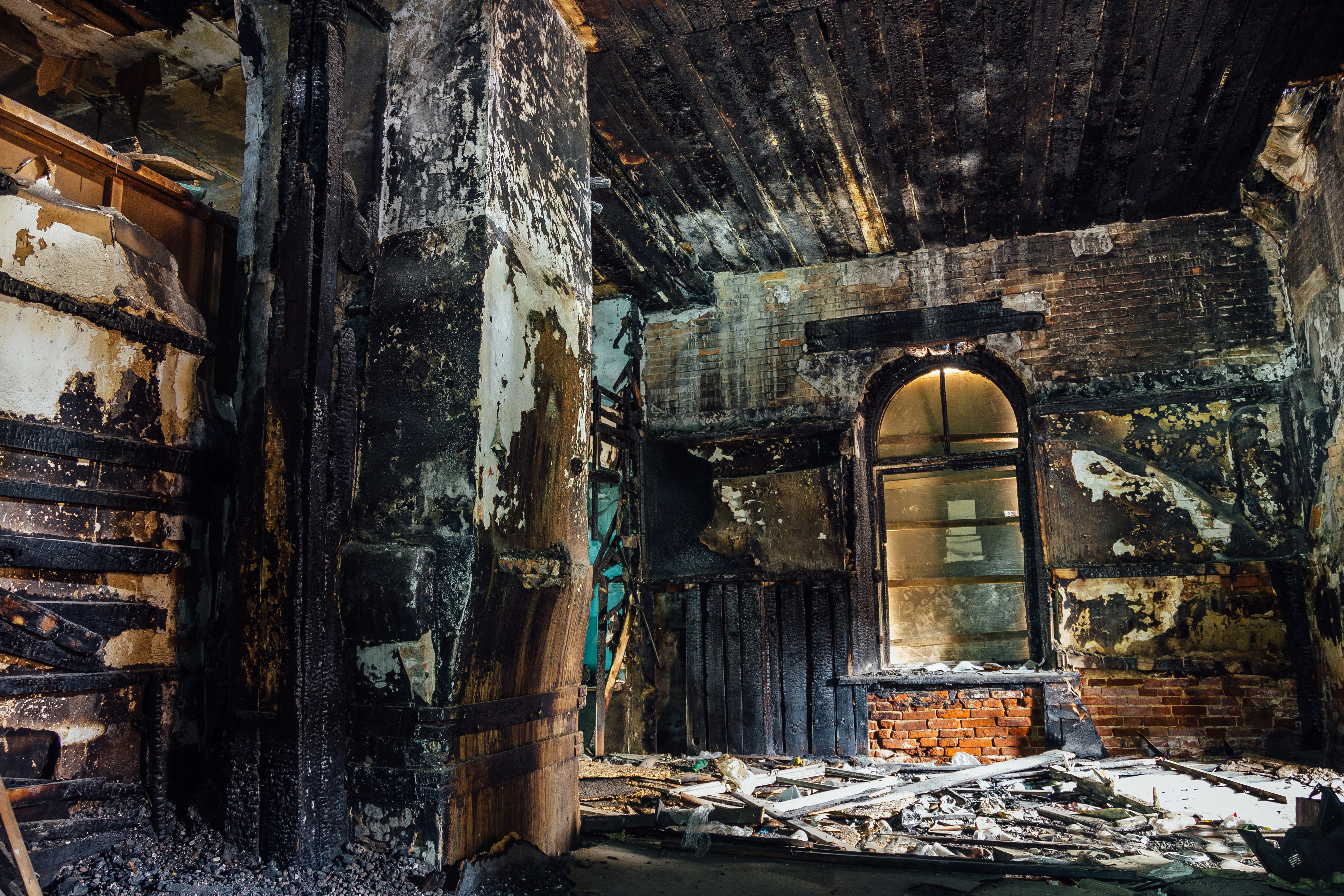
Why Fire Damage Restoration Becomes Necessary in North Miami Beach after Storm Surge
Storm surge is one of the most destructive effects of coastal storms in North Miami Beach. While most people associate storm surge primarily with flooding, another serious risk often follows—fire damage. Electrical systems, appliances, and building components exposed to saltwater and moisture can create hazardous conditions that sometimes lead to fires during or after flooding events. When this happens, fire damage restoration becomes essential to return a property to a safe and livable condition.
Understanding why fire damage restoration becomes necessary after storm surge helps homeowners and property managers respond quickly and reduce long-term damage.
What Fire Damage Restoration Really Involves
Fire damage restoration is a comprehensive process that addresses smoke, soot, structural damage, and moisture left behind from firefighting or flooding. After a fire, walls, ceilings, and flooring may contain residue that continues to cause odors and deterioration if not removed properly.
In coastal environments, restoration often includes drying water-damaged materials, cleaning soot from surfaces, deodorizing affected areas, and repairing structural components. The goal is not only to restore appearance but also to ensure the property remains safe and structurally sound.
How Storm Surge Leads to Fire Risks
Storm surge brings large amounts of saltwater into homes and buildings. When electrical wiring, outlets, or appliances become submerged, corrosion can begin quickly. Even after water recedes, damaged wiring may short-circuit, increasing the risk of electrical fires.
Generators used during power outages also create fire risks if not properly ventilated or maintained. In some cases, soaked insulation or debris may ignite when exposed to electrical sparks or overheating equipment.
Because these risks may develop after the storm has passed, fire damage sometimes occurs days later, catching property owners by surprise.
Why Fire Damage Is More Severe in Coastal Areas
Fires that occur after storm surge often cause more extensive damage than typical household fires. This is because materials inside the home may already be weakened by water exposure. Wet drywall, flooring, and insulation deteriorate more quickly when exposed to heat and smoke.
Saltwater also leaves behind mineral deposits that accelerate corrosion. Metal fixtures, wiring, and appliances exposed to both water and fire may require replacement rather than repair.
High humidity in North Miami Beach slows drying, allowing soot residue and moisture to remain in materials longer if restoration is delayed.
Signs Fire Damage May Be More Extensive Than It Appears
After a fire, some damage is obvious, but other effects may not be immediately visible. Property owners often notice lingering smoke odors or discoloration on walls and ceilings even after initial cleaning.
Other warning signs include:
- Residue around vents or air returns
- Warped or weakened drywall
- Persistent humidity indoors
- Electrical outlets or fixtures showing corrosion
These signs often indicate hidden damage that requires professional restoration.
Hidden Damage After Fire and Flood Events
One of the most challenging aspects of restoration after storm surge is hidden damage. Smoke particles can travel through ductwork and settle in areas far from the original fire location. Moisture from flooding or firefighting may also remain trapped in structural materials.
Insulation, subfloors, and wall cavities are particularly vulnerable. If moisture and soot remain in these areas, odors and deterioration may continue long after the fire is extinguished.
Thorough inspection is essential to locate and address these hidden issues.
Why DIY Cleanup Often Fails
Some homeowners attempt to clean soot or smoke damage using household cleaners or repainting surfaces. While this may improve appearance temporarily, it rarely removes soot embedded in porous materials.
Improper cleaning can also spread soot particles or trap odors inside walls and ceilings. Without proper drying, moisture left from firefighting or flooding may lead to mold growth.
Professional restoration uses specialized equipment and cleaning methods designed to remove soot safely and dry materials thoroughly.
The Professional Restoration Process
Fire damage restoration typically begins with a detailed inspection. Technicians assess structural damage, smoke residue, and moisture levels throughout the property. This step helps determine which materials can be restored and which must be replaced.
Soot and debris are removed from affected areas, and cleaning solutions are applied to neutralize smoke residue. Air filtration equipment is often used to remove airborne particles and improve indoor air quality.
If water damage is present, drying equipment such as air movers and dehumidifiers is installed. Moisture levels are monitored until materials reach safe conditions before repairs are completed.
Companies like Tip Top Water and Fire Damage Restoration often emphasize careful drying and monitoring because incomplete drying is one of the most common causes of recurring damage.
HVAC Systems and Smoke Contamination
Air conditioning systems often circulate smoke particles throughout a property during a fire. Once soot enters ductwork, it may continue spreading odors and contaminants every time the system runs.
During restoration, technicians frequently inspect and clean duct systems to remove residue and improve airflow. Ensuring ducts are dry and clean is essential for restoring indoor air quality.
Proper ventilation also helps remove lingering odors and humidity after restoration is complete.
Mold Risks After Fire and Flood Events
Mold growth is a major concern after storm surge and fire damage. Moisture from flooding or firefighting can remain trapped in walls and flooring, creating conditions where mold develops.
Because North Miami Beach has a warm and humid climate, mold can begin forming quickly if drying is delayed. Preventing mold is one of the most important reasons restoration should begin as soon as possible.
Proper drying, sanitation, and ventilation significantly reduce this risk.
Preventing Future Fire and Water Damage
Property owners can reduce future risks by inspecting electrical systems after flooding, even if no fire has occurred. Damaged wiring should be repaired or replaced promptly to prevent overheating or short circuits.
Maintaining drainage systems, sealing windows, and inspecting roofs also helps reduce the likelihood of storm surge or water intrusion entering the home. Regular HVAC maintenance helps prevent overheating or airflow issues that may contribute to fire hazards.
Taking preventive steps after storms can significantly reduce the risk of future damage.
Why Local Experience Matters
Fire damage restoration in coastal South Florida requires an understanding of local weather patterns, construction methods, and humidity conditions. Homes in North Miami Beach face challenges related to saltwater exposure, high humidity, and frequent storms.
Professionals familiar with nearby areas such as Sunny Isles Beach, Bal Harbour, and Miami Shores understand how storm surge affects building materials and how to dry structures effectively in humid environments.
Tip Top Water and Fire Damage Restoration has handled many restoration projects in coastal neighborhoods where early intervention prevented structural deterioration and recurring problems.
A Practical Approach to Recovery After Storm Surge
Fire damage following storm surge can be overwhelming, but proper restoration helps return a property to a safe and comfortable condition. Thorough cleaning, drying, and inspection ensure that hidden damage does not continue after the initial event.
For homeowners in North Miami Beach, acting quickly after both flooding and fire incidents is essential. Prompt restoration, careful maintenance, and attention to early warning signs help protect both the structure and long-term value of coastal properties.