Why Indoor Air Quality Improvement Becomes Necessary in Bal Harbour High-Rise Condos
Indoor air quality is something many residents don’t think about until a problem becomes noticeable. In Bal Harbour, especially in high-rise condominiums near the coast, indoor air quality can gradually decline due to humidity, ventilation issues, moisture, and contaminants circulating through HVAC systems. Over time, these conditions can lead to odors, discomfort, and long-term property maintenance concerns.
Improving indoor air quality is not just about comfort—it’s an important step in protecting both the building and the people living inside it. Understanding why these issues develop in high-rise condos helps residents recognize early warning signs and take practical steps to prevent future problems.
What Indoor Air Quality Issues Really Are
Indoor air quality refers to the condition of the air inside a home or condominium, including humidity levels, airborne particles, odors, and contaminants. In high-rise buildings, air quality is influenced by ventilation systems, building materials, and moisture levels.
Poor indoor air quality may involve:
- Excess humidity
- Mold spores in the air
- Dust and debris in air ducts
- Odors trapped in porous materials
- Contaminants from water or smoke damage
In coastal environments like Bal Harbour, humidity is often the primary factor that affects air quality over time.
Why High-Rise Condos in Bal Harbour Are Vulnerable
High-rise buildings have unique airflow patterns and structural designs that can contribute to indoor air quality issues. Unlike single-family homes, ventilation systems and structural components may be shared or interconnected.
Some of the most common contributing factors include:
- Limited natural ventilation
- High humidity from coastal air
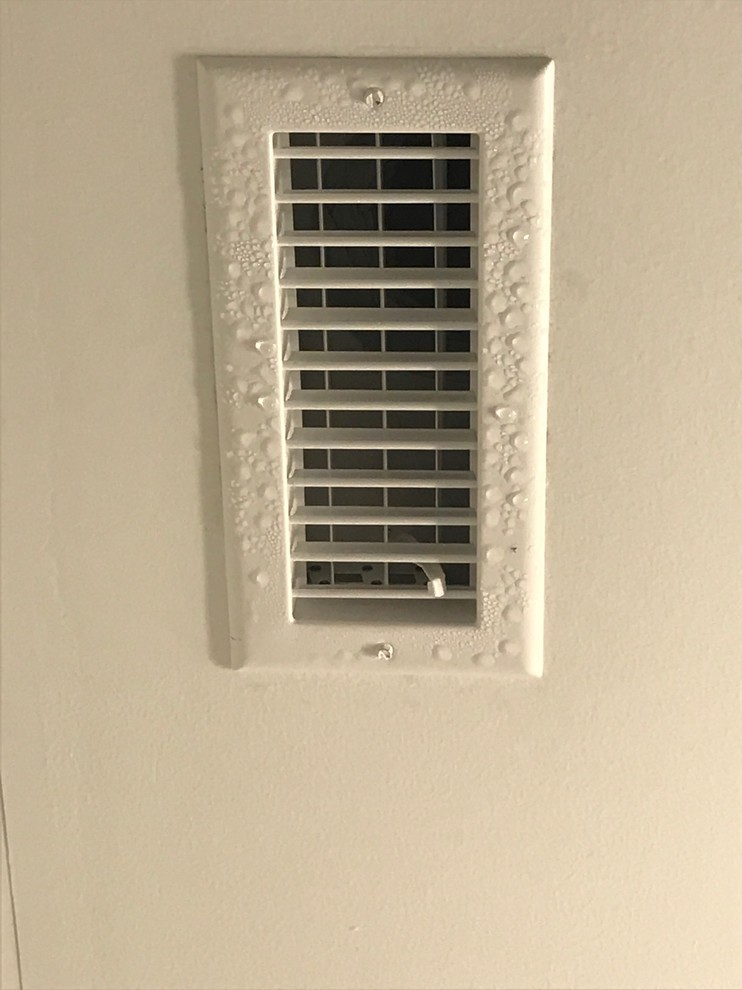
- Condensation inside ducts or ceilings
- Moisture trapped in walls or flooring
- Air circulation between units
In buildings near Biscayne Bay, warm and humid air often enters through balconies, window seals, or ventilation pathways, raising indoor moisture levels.
Nearby areas such as Sunny Isles Beach, Surfside, and North Miami Beach face similar conditions, particularly in buildings close to the shoreline.
Common Signs Residents Notice
Indoor air quality problems usually develop gradually. Residents may notice subtle changes before realizing that the issue is related to humidity or ventilation.
Common warning signs include:
- Persistent musty odors
- Air that feels damp or heavy
- Increased dust accumulation
- Allergy-like irritation indoors
- Condensation on vents or windows
- Uneven cooling or airflow
These signs often indicate that moisture or contaminants are present in the indoor environment.
Hidden Sources That Affect Air Quality
During inspections in Bal Harbour high-rise condos, technicians often find hidden conditions that contribute to poor air quality.
Some of the most common sources include:
- Moisture inside air ducts
- Mold growth behind drywall
- Damp insulation in ceilings
- Condensation near air handlers
- Carpet padding or flooring affected by leaks
Because many of these areas are concealed, problems may develop for months before becoming noticeable.
The Role of Humidity in Coastal Buildings
Humidity is one of the most significant factors affecting indoor air quality in coastal South Florida. When indoor humidity remains high, several problems can occur:
- Mold growth becomes more likely
- Odors linger longer
- Dust and allergens accumulate more easily
- Materials such as drywall and wood absorb moisture
Even well-maintained condos can experience these conditions if ventilation or dehumidification is insufficient.
Why DIY Solutions Often Don’t Work
Residents sometimes try to improve air quality by using air fresheners, portable fans, or small dehumidifiers. While these measures may provide temporary relief, they rarely address underlying problems.
DIY methods often fall short because:
- Moisture sources remain undetected
- Air ducts are not cleaned
- Mold growth may be hidden
- HVAC systems may need servicing
Without identifying and correcting the root cause, odors and humidity often return.
Professional Indoor Air Quality Assessment
Improving indoor air quality begins with a thorough inspection to identify contributing factors.
A typical assessment may include:
- Measuring humidity levels
- Checking HVAC systems and ducts
- Inspecting walls and ceilings for hidden moisture
- Evaluating ventilation and airflow
- Identifying areas where mold or dust may accumulate
These steps help determine what actions are needed to restore healthy air conditions.
In Bal Harbour condos, inspections frequently reveal moisture trapped in duct insulation or ceiling spaces, especially after plumbing leaks or condensation issues.
Steps Involved in Indoor Air Quality Improvement
Once the causes are identified, improving indoor air quality involves a combination of cleaning, drying, and ventilation adjustments.
Common steps include:
- Cleaning air ducts and vents
- Removing moisture from affected areas
- Drying materials with professional equipment
- Improving airflow and ventilation
- Addressing mold or contamination if present
- Verifying humidity levels remain within safe ranges
Companies such as Tip Top Water and Fire Damage Restoration often perform these services in Bal Harbour and nearby communities, where humidity and hidden moisture are common contributors to poor air quality.
The Connection Between Water Damage and Air Quality
Many indoor air quality problems are linked to past water damage. Even small leaks can leave behind moisture that affects indoor air over time.
Water-related issues that impact air quality include:
- Damp drywall or insulation
- Moisture in carpet padding
- Mold growth in concealed spaces
- Contaminated air ducts
Proper drying and restoration after leaks or flooding play a major role in maintaining healthy air indoors.
HVAC Systems and Air Circulation
Air conditioning systems are essential in high-rise buildings, but they can also contribute to air quality problems if not maintained.
Common issues found during inspections include:
- Dirty or clogged filters
- Condensation buildup
- Blocked drain lines
- Dust or debris inside ducts
Routine maintenance and cleaning help prevent these problems and keep indoor air circulating properly.
Preventing Indoor Air Quality Problems
Residents and property managers can reduce the risk of air quality issues by following a few practical steps:
- Schedule regular HVAC maintenance
- Monitor indoor humidity levels
- Address leaks promptly
- Keep vents and filters clean
- Ensure adequate ventilation in closets and bathrooms
- Schedule periodic moisture inspections
Preventive maintenance is often the most effective way to maintain healthy air indoors.
Why Local Experience Matters
Indoor air quality improvement in coastal buildings requires an understanding of local environmental conditions. Professionals familiar with Bal Harbour, North Miami, and Biscayne Park understand:
- How humidity behaves in high-rise structures
- Where moisture is most likely to accumulate
- How long drying takes in coastal climates
- Which materials are most vulnerable
Tip Top Water and Fire Damage Restoration has worked extensively in these communities, where indoor air quality concerns often develop gradually and require careful inspection and moisture control.
A Calm, Practical Next Step
Indoor air quality problems rarely resolve on their own. If odors, humidity, or airflow issues are noticeable, early evaluation helps prevent larger concerns such as mold or structural damage.
In Bal Harbour’s high-rise condos, maintaining good air quality is part of long-term property care. Proper inspection, moisture control, and ventilation improvements help keep living spaces comfortable, clean, and safe over time.