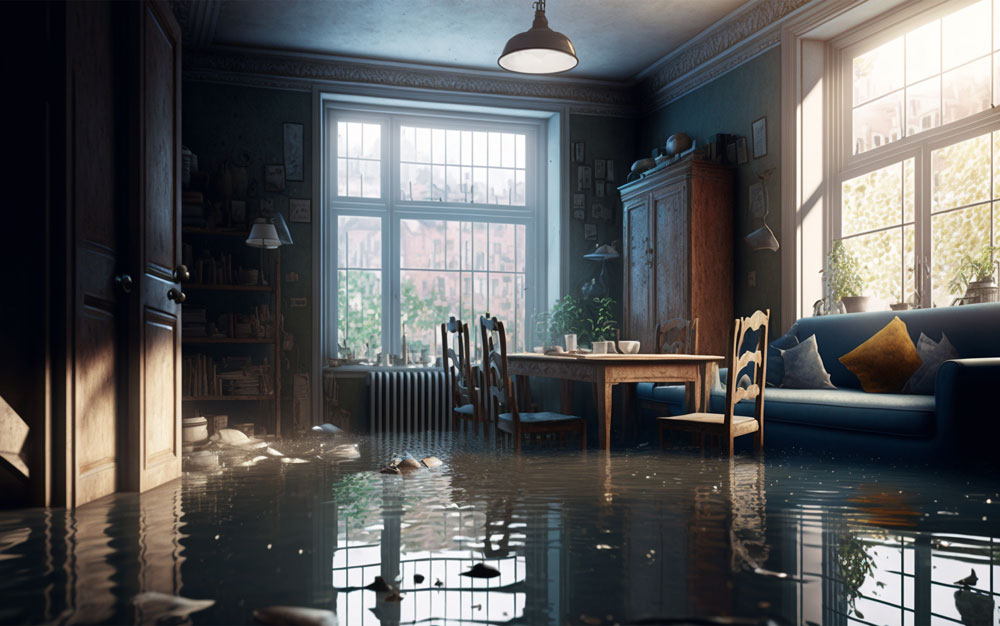
Why Mold Remediation Becomes Necessary in Coastal Neighborhoods Near Biscayne Bay Following Indoor Flooding
Living near Biscayne Bay offers breathtaking views, easy access to waterfront recreation, and a unique coastal lifestyle. Communities such as North Miami, North Miami Beach, Sunny Isles Beach, Bal Harbour, Surfside, Aventura, Miami Shores, and Biscayne Park provide residents with a blend of luxury and local charm. But along with these benefits comes one constant challenge: moisture.
For homeowners in these coastal neighborhoods, flooding — whether from heavy rains, hurricanes, or plumbing failures — is an ever-present risk. Even small indoor floods can create long-term problems, and the most common consequence of water intrusion is mold growth. Mold doesn’t wait for homeowners to act; it begins forming quickly in warm, humid environments. In South Florida, the combination of indoor flooding, high humidity, and warm temperatures creates ideal conditions for mold to thrive.
Understanding why mold remediation becomes necessary after indoor flooding is essential for anyone seeking to protect their property, maintain air quality, and preserve structural integrity.
What Happens During Indoor Flooding
Flooding inside a home may range from a few inches of water from a burst pipe to extensive water intrusion during a heavy rainstorm. Regardless of the volume, water can penetrate multiple layers of the building:
- Flooring (hardwood, tile, laminate, or carpet)
- Subflooring and underlayment
- Drywall and baseboards
- Insulation inside walls or ceilings
- Cabinets and furniture
- Electrical systems and HVAC components
When water is left to sit even briefly, it starts to absorb into these porous materials. Drying may be slow, especially in Miami’s high-humidity climate. The longer materials stay wet, the higher the risk of mold growth.
Why Mold Appears So Quickly After Flooding
Mold spores are naturally present in every home. They require only three elements to grow:
- Moisture
- Organic material (like wood, drywall, or carpet)
- Warm temperatures
Following flooding, all three factors are often present. Floodwater or residual indoor water provides moisture. The home itself contains countless organic surfaces. And South Florida’s ambient temperature ensures a warm environment.
Under these conditions, mold colonies can begin forming within 24–48 hours after water intrusion. Even if the flood seems minor, hidden moisture inside walls or under floors can be enough to initiate mold growth.
The Unique Challenges of Coastal Environments
Homes along Biscayne Bay face specific environmental factors that make mold remediation more urgent:
- High Humidity: Coastal air contains moisture year-round, slowing drying and creating an ideal environment for spores to thrive.
- Salt Air Exposure: Salt particles can cling to surfaces, sometimes accelerating material deterioration and trapping moisture.
- Frequent Rainfall and Storms: Repeated wetting events mean materials rarely fully dry between exposures.
- Older Construction: Many properties near the bay were built decades ago with minimal vapor barriers and lack modern moisture-resistant construction techniques.
These factors mean that a small flood in a bayfront home can have more serious long-term consequences than the same event in a drier inland area.
Common Sources of Indoor Flooding
Understanding the source of flooding is essential in preventing future mold growth. In coastal neighborhoods near Biscayne Bay, typical sources include:
- Stormwater Intrusion: Heavy rainfall can seep through windows, doors, or poorly sealed roofs.
- Hurricane or Storm Surge: Water can enter at ground level or via balcony and garage areas.
- Plumbing Failures: Burst pipes, leaking water heaters, or faulty connections often cause indoor flooding.
- Appliance Malfunctions: Washing machines, dishwashers, or ice makers can overflow unexpectedly.
- AC Condensation Leaks: High humidity and long AC run times can overwhelm drain lines or pans.
Even minor flooding events from these sources can cause lasting damage if water is not addressed promptly.
Early Signs of Hidden Water Damage
Mold often begins growing long before homeowners notice visible damage. Early clues include:
- Musty or damp odors
- Discoloration or staining on walls and ceilings
- Warped or buckled flooring
- Peeling paint or wallpaper
- Condensation on windows or interior surfaces
- Higher indoor humidity than normal
- Allergic reactions or respiratory irritation in occupants
Because these signs can be subtle, mold may already be developing behind walls or under floors by the time it’s detected.
Why DIY Solutions Often Fail
Many homeowners attempt to dry and clean flooded areas themselves. While fans, dehumidifiers, and disinfectants can address surface water, they often fall short for several reasons:
- Hidden Moisture: Water may remain inside walls, under flooring, or within insulation.
- Incomplete Drying: High humidity slows evaporation, leaving damp materials behind.
- Surface Cleaning Only: Mold spores and contaminated debris often remain in structural cavities.
- Spread of Contamination: Improper cleaning can disperse spores into the air and other areas of the home.
As a result, DIY efforts may temporarily improve appearance, but mold can return within days or weeks, requiring professional remediation anyway.
Professional Mold Inspection After Flooding
Mold remediation begins with a thorough inspection. Professional inspectors in coastal areas use specialized tools to locate hidden moisture and contamination:
- Moisture Meters: Measure dampness in walls, floors, and ceilings.
- Thermal Imaging Cameras: Detect temperature differences caused by trapped water.
- Air Quality Testing: Identify elevated spore counts or specific mold types.
- Surface Sampling: Confirms the presence and severity of mold.
This step ensures that remediation efforts target all affected areas, not just visible surfaces.
Steps in Proper Mold Remediation
Once identified, mold remediation follows a systematic process to remove contamination and prevent recurrence:
- Containment: Affected areas are isolated to prevent spores from spreading.
- Air Filtration: HEPA filters capture airborne spores.
- Removal of Contaminated Materials: Drywall, insulation, and flooring may need replacement.
- Cleaning and Sanitizing: Structural surfaces are cleaned with professional-grade antimicrobial treatments.
- Drying and Dehumidification: Ensures all materials reach safe moisture levels.
- HVAC Inspection: Ducts and vents are checked to prevent circulation of spores.
- Final Verification: Moisture readings and visual inspections confirm the property is safe.
Following these steps is critical in high-humidity coastal environments, where mold can return quickly if conditions remain favorable.
Long-Term Risks of Ignoring Mold After Flooding
Failing to address mold promptly can lead to:
- Structural weakening of wood, drywall, and flooring
- Persistent musty odors
- Health risks including allergic reactions and respiratory irritation
- Reduced property value
- Increased repair costs over time
In South Florida, mold grows faster than in temperate climates, so early action is essential.
Preventive Measures for Homeowners
After remediation, property owners should take proactive steps to prevent future mold growth:
- Control Indoor Humidity: Use dehumidifiers and maintain AC systems to keep humidity below 60%.
- Inspect for Leaks: Regularly check plumbing, appliances, and roofing.
- Improve Ventilation: Ensure attics, crawl spaces, and closets are properly ventilated.
- Maintain HVAC Systems: Clean air ducts and replace filters to prevent moisture buildup.
- Monitor After Storms: Check for water intrusion following heavy rains or hurricane events.
- Replace Vulnerable Materials: Consider moisture-resistant drywall or flooring in high-risk areas.
Consistent maintenance reduces the likelihood of mold growth after future flooding events.
Why Local Experience Matters
Mold remediation in coastal neighborhoods is different than inland areas. Experienced local professionals understand:
- How high humidity accelerates mold growth
- How salt air affects building materials
- Typical pathways for water intrusion in older homes
- Condo and multi-story building ventilation systems
Tip Top Water and Fire Damage Restoration, for example, has handled countless cases throughout North Miami, Miami Shores, Sunny Isles Beach, Aventura, and surrounding areas. Local knowledge ensures inspections and remediation address both the immediate problem and environmental factors that could cause recurrence.
A Calm, Practical Approach for Homeowners
Indoor flooding is stressful, but taking the right steps can minimize long-term damage.
If you notice even minor water intrusion:
- Address the source of the water immediately.
- Begin drying and dehumidification as quickly as possible.
- Schedule a professional inspection to assess hidden moisture and potential mold.
- Follow a full remediation plan if mold is present.
- Implement preventive measures to reduce risk in the future.
In coastal neighborhoods near Biscayne Bay, early action protects your home’s structure, indoor air quality, and long-term value.