Why Mold Testing Becomes Necessary in Miami Shores After Roof Leaks
Roof leaks are one of the most common causes of hidden moisture in homes across Miami Shores. While a small leak might seem minor at first, water entering through roofing materials often spreads into insulation, ceiling cavities, and wall structures long before visible damage appears. By the time stains or odors develop, mold growth may already be underway.
Mold testing becomes an important step after roof leaks because it helps determine whether mold is present, how far it has spread, and what corrective action may be needed to protect the property.
What Happens After a Roof Leak
When water enters through a roof, it rarely stays in one place. Moisture often travels along beams, insulation, or drywall, spreading beyond the original entry point.
This can lead to:
- Damp insulation in attic spaces
- Moisture trapped inside ceilings
- Water migration into walls
- Increased indoor humidity
In Miami Shores, high humidity slows the drying process, allowing damp materials to remain wet longer and creating conditions where mold can develop.
Why Roof Leaks Often Go Undetected
One of the biggest challenges with roof leaks is that they are not always immediately visible.
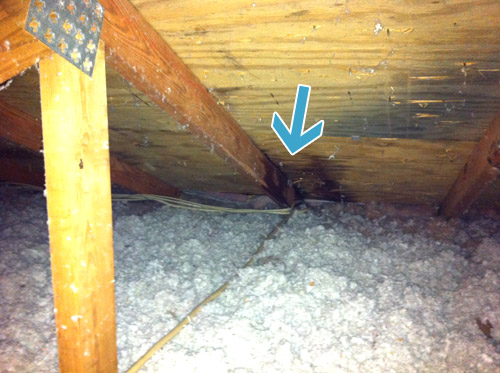
Water may drip slowly into attic insulation or travel along structural components before reaching a ceiling surface. In some cases, leaks occur only during heavy rain, making them harder to notice during dry weather.
Homeowners sometimes discover the problem only after seeing ceiling stains or smelling musty odors, which are often signs that moisture has been present for some time.
Why Mold Growth Is Likely After Roof Leaks
Mold spores exist naturally in the air, but they require moisture to grow. When roofing materials allow water to enter a home, insulation, drywall, and wood framing can remain damp for extended periods.
Warm temperatures and high humidity in Miami Shores create ideal conditions for mold development. Growth can begin in as little as one or two days when moisture is present.
Because mold often grows in hidden areas such as attic insulation or inside ceiling cavities, testing is frequently needed to confirm its presence.
Signs That Mold Testing May Be Necessary
After a roof leak, certain warning signs indicate that mold testing may be beneficial.
These include:
- Musty or earthy odors
- Dark or discolored spots on ceilings
- Peeling paint or bubbling drywall
- Increased allergy-like irritation indoors
- Persistent humidity or dampness
Even when these signs are not obvious, mold may still be present in hidden areas, especially if the leak lasted for more than a short time.
Hidden Areas Where Mold Develops After Roof Leaks
Some of the most common locations for mold growth after roof leaks are areas homeowners rarely inspect.
Attics are a primary example. Wet insulation provides an ideal environment for mold growth, particularly when ventilation is limited.
Ceiling cavities may also trap moisture, allowing mold to grow on drywall backing or wooden framing.
Air ducts running through attic spaces can be affected as well. When moisture enters duct insulation, it can contribute to mold development and affect indoor air quality.
These hidden locations are one reason mold testing is often recommended after roof leaks.
Why Visual Inspection Alone Is Not Enough
Many property owners assume that if they cannot see mold, it is not present. Unfortunately, mold often grows behind surfaces where it cannot be seen.
Professional mold testing helps detect:
- Airborne mold spores
- Hidden mold colonies
- Moisture levels in building materials
Testing provides objective information about whether mold is present and whether remediation may be necessary.
How Mold Testing Works
A professional mold testing process typically includes several steps.
First, an inspection identifies areas affected by moisture. Moisture meters and thermal imaging tools help locate damp materials that may support mold growth.
Air or surface samples may then be collected to determine the type and concentration of mold spores present. These results help guide decisions about cleanup or remediation.
Companies such as Tip Top Water and Fire Damage Restoration often perform moisture inspections and testing in Miami Shores homes after roof leaks to ensure hidden problems are identified early.
The Role of Moisture Detection in Mold Prevention
Mold testing is often combined with moisture detection because mold cannot grow without moisture.
By identifying damp areas inside walls, ceilings, or insulation, professionals can determine whether conditions are favorable for mold growth—even before visible mold appears.
This proactive approach helps property owners correct problems early and avoid larger restoration work later.
Structural Risks Caused by Roof Leaks
Mold is not the only concern after a roof leak. Prolonged moisture can weaken building materials and lead to structural damage.
Possible effects include:
- Deterioration of drywall
- Wood rot in roof framing
- Damage to insulation
- Corrosion of fasteners or metal components
In coastal environments like Miami Shores, salt in the air can accelerate corrosion when moisture is present, increasing the importance of early detection.
Air Conditioning Systems and Mold After Roof Leaks
Air conditioning systems can also be affected by roof leaks. Moisture entering attic spaces may spread to ductwork, particularly when ducts run through areas with wet insulation.
If mold develops in or around ducts, spores can circulate throughout the home each time the AC operates.
This is why duct inspection and cleaning are sometimes recommended after significant roof leaks.
Homes in nearby areas such as Biscayne Park, North Miami, and Aventura often experience similar issues due to similar climate and construction patterns.
Preventing Mold After Roof Leaks
Taking prompt action after a roof leak significantly reduces the risk of mold growth.
Helpful steps include:
- Repairing roofing damage as soon as possible
- Drying affected materials quickly
- Inspecting attic insulation and ventilation
- Monitoring humidity levels indoors
- Scheduling professional moisture inspections
Early drying and inspection are the most effective ways to prevent mold from developing.
Why Local Experience Matters
Mold testing in Miami Shores requires an understanding of local environmental conditions, building styles, and humidity behavior.
Professionals familiar with coastal South Florida know where moisture tends to accumulate and how to detect hidden problems that may not be obvious during a basic inspection.
Tip Top Water and Fire Damage Restoration has experience working in Miami Shores, Surfside, Sunny Isles Beach, and surrounding communities where roof leaks and humidity-related issues frequently lead to hidden moisture concerns.
Local knowledge helps ensure that inspections are thorough and that underlying causes are addressed, not just visible symptoms.
A Practical Approach to Protecting Your Home
Roof leaks may seem minor at first, but they often create conditions that allow mold to develop quietly in hidden areas. Mold testing provides valuable information that helps property owners make informed decisions about repairs and cleanup.
For homeowners and property managers in Miami Shores, responding quickly after a roof leak—by repairing the source, drying affected areas, and scheduling professional testing—can prevent long-term damage and maintain a safe indoor environment.
Early detection is the key. The sooner moisture and mold are identified, the easier and more effective the solution usually is.