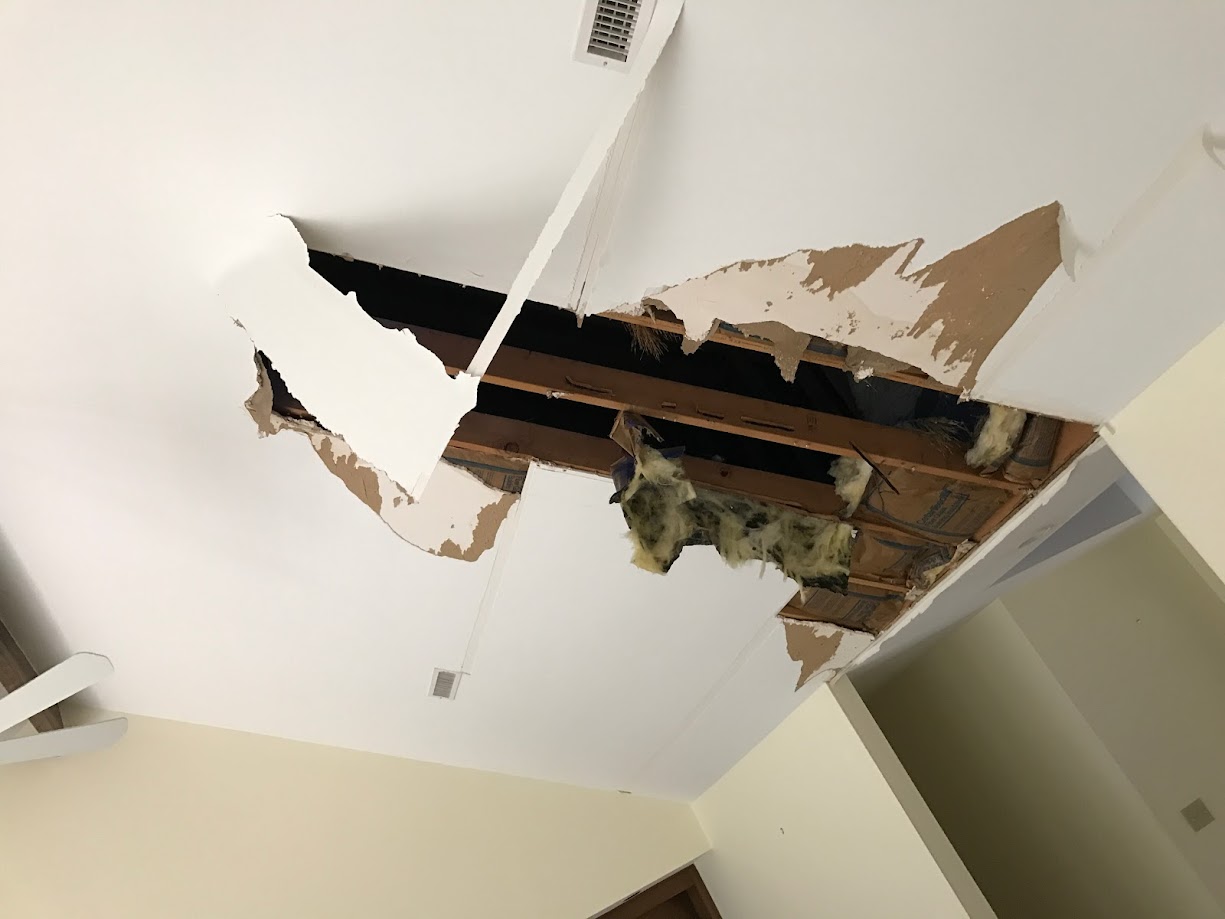
Why Water Leak Detection Becomes Necessary in Biscayne Park After Hurricanes
Hurricanes and strong tropical storms can have lasting effects on homes in Biscayne Park. While major flooding and structural damage are often obvious, many problems that develop after a storm are far less visible. Small roof leaks, compromised seals, or hidden plumbing damage can allow water to enter areas that remain unnoticed for weeks. This is why water leak detection becomes an important step after hurricanes, even in homes that appear undamaged.
How Hurricanes Create Hidden Leaks
Hurricanes affect homes in several ways that increase the likelihood of leaks. Strong winds, heavy rainfall, and pressure changes can weaken roofing materials, window seals, and exterior joints. Even when visible damage is minimal, small openings may allow water to enter the structure.
Common storm-related causes of leaks include:
- Damaged or lifted roof shingles
- Cracked flashing around vents or chimneys
- Window and door seal failure
- Blocked or overflowing drainage systems
- Minor structural shifts affecting plumbing lines
Because these problems are often small at first, they may not become visible until water stains or odors appear.
Why Biscayne Park Homes Are Especially Vulnerable
Biscayne Park and nearby communities such as Miami Shores and North Miami face environmental conditions that increase the risk of hidden leaks after hurricanes.
Heavy rainfall during storms
Large volumes of water can find pathways into even small openings.
High humidity levels
Moist air slows drying and allows damp materials to remain wet longer.
Warm temperatures
Heat accelerates deterioration of wet materials and increases mold risk.
Aging building materials in some homes
Older roofs, seals, and plumbing connections may be more susceptible to damage during storms.
These factors make careful inspection and leak detection especially important after severe weather.
Why Hidden Leaks Are a Serious Concern
Hidden leaks may seem minor, but they can lead to significant problems if not detected early.
Potential consequences include:
- Mold growth in walls or insulation
- Structural damage to wood framing or drywall
- Persistent odors
- Warped flooring or baseboards
- Reduced indoor air quality
Because moisture spreads through porous materials, damage often extends beyond the original leak location.
Early Signs That a Leak May Be Present
After a hurricane, property owners should watch for subtle signs that may indicate hidden moisture.
Common warning signs include:
- Water stains on ceilings or walls
- Peeling paint or bubbling drywall
- Musty or damp odors
- Warped flooring or baseboards
- Increased indoor humidity
- Dripping sounds inside walls or ceilings
Even small changes should be investigated, especially in the weeks following a storm.
Hidden Areas Where Leaks Often Develop
Water does not always remain near the point of entry. It may travel along framing, insulation, or pipes before becoming visible.
Common hidden leak locations include:
- Attic insulation and roof decking
- Inside wall cavities
- Beneath flooring or subfloors
- Behind cabinets or appliances
- Around air handlers and ductwork
In humid coastal environments, moisture in these areas may remain trapped for extended periods if not properly detected and dried.
Why Leak Detection Is Important After Hurricanes
Leak detection helps identify moisture problems before they cause serious damage. Even when a home appears dry, specialized inspection methods can reveal hidden damp areas.
Leak detection is important because it can:
- Locate moisture behind walls or ceilings
- Identify roof or plumbing leaks early
- Prevent mold growth
- Reduce repair costs
- Protect indoor air quality
Early detection often means repairs are smaller and less disruptive.
Professionals familiar with coastal conditions often use moisture detection equipment to locate hidden leaks and track drying progress. Companies such as Tip Top Water and Fire Damage Restoration frequently emphasize early inspection after storms to prevent long-term damage.
How Water Leak Detection Works
Leak detection involves a systematic inspection of the property using both visual checks and specialized tools.
Typical steps include:
1. Visual inspection
Technicians check roofs, ceilings, walls, and floors for signs of moisture.
2. Moisture detection tools
Meters and sensors help identify damp areas not visible on the surface.
3. Inspection of attics and HVAC systems
These areas often contain hidden moisture after storms.
4. Evaluation of plumbing and drainage systems
Storm-related pressure changes or debris may affect pipes and drains.
These methods help identify problems that might otherwise remain hidden.
The Connection Between Leaks and Mold Growth
One of the main reasons leak detection is important after hurricanes is the risk of mold growth. Mold thrives in damp, warm environments and can begin developing in hidden areas if moisture is not removed.
Mold risk increases when:
- Moisture remains in insulation or drywall
- Humidity levels stay high
- Drying is delayed
- Ventilation is limited
Prompt leak detection and drying significantly reduce the likelihood of mold problems.
HVAC Systems and Post-Storm Moisture
HVAC systems can play a role in spreading moisture or odors if leaks occur near ducts or air handlers. Water entering these systems may affect airflow and indoor air quality.
Potential concerns include:
- Condensation inside ducts
- Mold developing in duct insulation
- Debris or moisture in air handlers
- Reduced airflow efficiency
Inspection of HVAC components is often part of post-storm leak detection.
Lessons Learned from Local Homes
Real situations from homes in Biscayne Park reveal consistent patterns after hurricanes.
Leaks often appear days or weeks later
Moisture may take time to spread and become visible.
Attics are frequently affected
Roof damage may allow water to soak insulation without immediate signs indoors.
Humidity prolongs drying
Materials may remain damp even after visible water is gone.
Early inspections reduce repair costs
Homes inspected promptly usually required less extensive repairs.
These observations highlight the importance of checking for leaks even when damage appears minor.
Practical Steps to Reduce Future Leak Risks
Property owners can reduce the likelihood of hidden leaks by following routine maintenance practices.
Helpful steps include:
- Inspecting roofs and flashing after storms
- Cleaning gutters and drainage systems
- Checking window and door seals
- Monitoring ceilings and walls for stains
- Scheduling periodic moisture inspections
Preventive maintenance often identifies problems early.
Why Local Experience Matters
Water leak detection in coastal South Florida requires understanding how hurricanes, humidity, and building materials interact. Homes in Biscayne Park and nearby communities face environmental conditions that differ significantly from inland areas.
Professionals familiar with local conditions understand:
- Where storm-related leaks commonly occur
- How humidity affects drying times
- Which materials are most vulnerable
- How ventilation systems behave in humid climates
This knowledge helps ensure leak detection is thorough and accurate.
A Practical Next Step for Property Owners
Hurricanes can cause hidden damage that may not appear immediately. If you notice stains, odors, or humidity changes after a storm, having the property inspected for leaks can help prevent larger problems later.
Working with experienced restoration professionals such as Tip Top Water and Fire Damage Restoration helps ensure that leaks are identified early, moisture is properly dried, and structural damage is minimized. With prompt action and routine maintenance, homeowners in Biscayne Park can protect their properties and recover more quickly after severe weather.