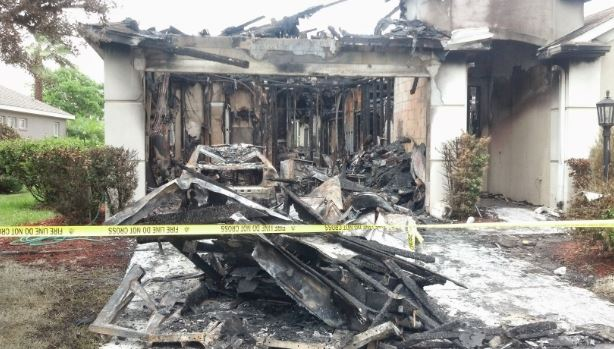
What Really Causes the Need for Fire Damage Restoration in Miami Shores
Fire damage is a destructive and often traumatic event for homeowners, and in Miami Shores, the risk can be heightened by a combination of environmental, structural, and human factors. Understanding what causes fire damage and why restoration is necessary is crucial for property owners, tenants, and landlords who want to protect their investments and maintain safe living conditions.
Fire damage restoration is more than simply repairing burned areas. It involves a comprehensive process of cleaning, rebuilding, deodorizing, and preventing future hazards. For homeowners in Miami Shores, understanding the common causes of fires, the unique challenges posed by local construction and climate, and the proper restoration techniques can make the difference between a temporary setback and long-term property loss.
Common Causes of Residential Fires in Miami Shores
Residential fires occur due to a combination of human error, equipment failure, and environmental conditions. Some of the most prevalent causes include:
1. Electrical Malfunctions
Faulty wiring, outdated electrical panels, overloaded circuits, and malfunctioning appliances are leading causes of house fires. In older homes, electrical systems may not meet current safety standards, increasing the risk of short circuits or sparks that can ignite nearby materials.
2. Kitchen Fires
Cooking is one of the most common sources of residential fire. Unattended stovetops, grease fires, and malfunctioning ovens or microwaves can quickly escalate, causing damage beyond the kitchen area.
3. Heating and HVAC Issues
Space heaters, furnaces, and air conditioning systems can contribute to fire hazards. Improper installation, poor maintenance, or dust accumulation can ignite flammable materials near the unit.
4. Candles and Open Flames
Candle use, fireplaces, and other open flames pose a risk, especially in homes with carpets, curtains, and wood furniture. Even brief lapses in attention can lead to fire ignition.
5. Smoking-Related Fires
Carelessly discarded cigarettes or cigars are a frequent cause of residential fires. They can ignite furniture, bedding, or flooring materials, often while residents are asleep.
6. Environmental Factors
Miami Shores is a coastal area, which means homes may have older construction materials and ventilation systems that can accelerate fire spread. Additionally, wind patterns during storms can exacerbate flame propagation if a fire starts outdoors.
Why Fire Damage Restoration Is Necessary
Even a small fire can have far-reaching consequences if not properly restored:
1. Structural Damage
Fire weakens walls, roofs, and floors. Heat can warp beams, compromise load-bearing structures, and char wood surfaces. Immediate assessment and restoration are essential to prevent collapse or further deterioration.
2. Smoke and Soot Damage
Smoke penetrates walls, furniture, and fabrics, leaving behind residues that are corrosive and difficult to remove. Soot can discolor surfaces and release harmful particles into the air, impacting indoor air quality.
3. Water Damage
Firefighting efforts often involve large amounts of water. While necessary to extinguish flames, this water can saturate walls, flooring, and personal property, creating additional restoration needs such as drying and mold prevention.
4. Odor Removal
Smoke leaves lingering odors that can persist long after the fire is extinguished. These odors are often absorbed into porous materials, requiring specialized deodorization techniques to restore a healthy living environment.
5. Electrical and HVAC Contamination
Fire can damage wiring and HVAC components, allowing soot and smoke to circulate throughout the home. Neglecting this contamination may compromise system efficiency and indoor air quality.
Challenges Specific to Miami Shores Properties
1. Coastal Construction Materials
Many Miami Shores homes feature wooden framing, older insulation, and coastal-grade drywall. While these materials can enhance aesthetics and comfort, they are highly susceptible to fire damage and smoke absorption.
2. High Humidity
Florida’s humid climate affects both the fire itself and post-fire restoration. Moisture in the air can complicate drying processes after firefighting, leading to mold growth if not addressed promptly.
3. Older Infrastructure
Older properties may have legacy electrical systems, outdated roofing, and aging HVAC units, which increase the likelihood of fire ignition and complicate restoration.
4. Insurance and Regulatory Considerations
Homeowners in Miami Shores must navigate local building codes, insurance requirements, and environmental regulations during restoration. Non-compliance can delay repairs and increase costs.
The Fire Damage Restoration Process
Professional restoration is a multi-step process aimed at fully repairing and restoring a property:
1. Damage Assessment
Restoration begins with a comprehensive inspection:
- Determine the extent of fire, smoke, and water damage
- Identify compromised structural components
- Evaluate HVAC and electrical system contamination
This assessment informs the restoration plan and cost estimates.
2. Emergency Board-Up and Containment
Damaged homes may require temporary boarding or tarping to secure the property, prevent unauthorized entry, and protect against further environmental exposure.
3. Water Extraction and Drying
Water used to extinguish the fire is removed using industrial pumps and extractors. Dehumidifiers and air movers help dry the structure to prevent mold and structural damage.
4. Smoke and Soot Cleaning
Specialized cleaning techniques are used to remove smoke residues from walls, ceilings, floors, and personal belongings. HEPA filtration vacuums and chemical cleaning agents are often employed to eliminate soot particles.
5. Odor Removal
Odor neutralization includes thermal fogging, ozone treatment, and air scrubbers to remove lingering smoke smells from porous materials.
6. Structural Repairs and Restoration
Damaged drywall, insulation, flooring, and roofing are repaired or replaced. Electrical wiring and HVAC systems are inspected and restored to ensure safety and functionality.
7. Final Inspection
A thorough inspection ensures the property is safe, structurally sound, and fully restored to pre-fire condition.
Preventive Measures for Homeowners
Homeowners in Miami Shores can reduce fire risk and simplify potential restoration:
- Regular Electrical Inspections: Ensure wiring, panels, and outlets meet current safety standards.
- Maintain HVAC Systems: Regularly clean and service heating and cooling units to prevent dust and electrical hazards.
- Install Smoke Detectors and Sprinklers: Early detection can prevent small fires from becoming catastrophic.
- Safe Cooking Practices: Avoid leaving stovetops unattended and keep flammable materials away from heat sources.
- Proper Storage: Store flammable liquids and materials safely, away from heat and electrical sources.
- Tenant Education in Rental Properties: Encourage safe practices to minimize fire risks.
The Consequences of Ignoring Fire Damage
Neglecting fire damage can result in:
- Structural deterioration leading to unsafe living conditions
- Mold and microbial growth due to residual moisture
- Persistent smoke odors and reduced indoor air quality
- Increased repair costs and insurance complications
- Legal liability for unsafe premises
Prompt restoration mitigates these risks, preserving the home’s value and safety.
Conclusion
In Miami Shores, fire damage restoration is more than repairing burnt walls; it’s a comprehensive process addressing structural integrity, smoke and soot removal, water damage mitigation, and odor neutralization. Understanding the primary causes of residential fires—including electrical faults, kitchen hazards, HVAC issues, and environmental factors—allows homeowners to take preventive action.
By engaging professional restoration services, addressing both visible and hidden damage, and implementing preventive strategies, property owners can ensure their homes are safe, habitable, and resilient against future fire risks, preserving both the value of their property and the well-being of its occupants.