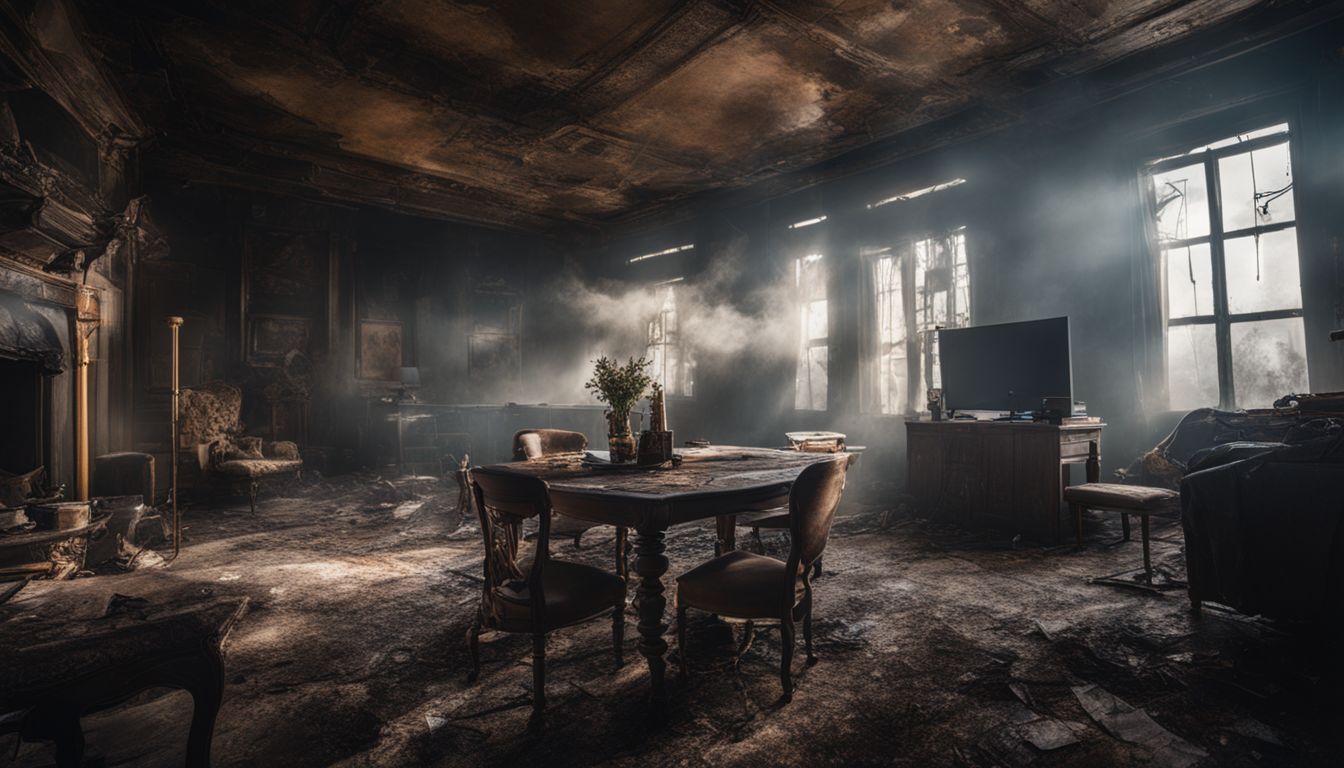
Smoke Damage Cleanup in Surfside: What Happens If the Problem Is Ignored
After a fire or even a small smoke incident, many homeowners in Surfside focus on what they can see—charred materials, soot on walls, or a lingering odor in one room. But smoke damage is often more extensive than it appears, and when cleanup is delayed or incomplete, problems can grow quietly over time.
In coastal communities near Biscayne Bay, humidity and warm temperatures make smoke residue even more persistent. Ignoring smoke damage can lead to structural deterioration, indoor air quality issues, and costly repairs that could have been avoided with early cleanup.
Understanding what happens when smoke damage is left untreated helps property owners recognize why proper restoration is important.
What Smoke Damage Really Is
Smoke damage occurs when microscopic particles from burned materials settle on surfaces and penetrate porous materials. These particles are extremely fine and can spread through air currents, reaching areas far from the original fire.
Smoke residue often affects:
- Walls and ceilings
- Flooring and carpets
- Air ducts and ventilation systems
- Insulation and attic spaces
- Cabinets and closets
Even rooms that appear unaffected may contain residue that causes problems later.
Why Smoke Damage Is More Serious in Coastal Areas
Surfside’s coastal environment plays a significant role in how smoke damage behaves. High humidity allows soot particles to absorb moisture, which makes odors stronger and harder to remove.
Coastal conditions can cause:
- Odors to linger longer
- Residue to become sticky and harder to clean
- Mold to develop in damp areas
- Corrosion in metal components
Nearby areas such as Bal Harbour, North Miami Beach, and Sunny Isles Beach experience similar challenges due to humidity and salt air.
What Happens in the First Few Days If Cleanup Is Ignored
In the days following a fire, smoke particles begin settling deeper into materials. Fabrics, drywall, and wood absorb odors and contaminants, making them harder to remove over time.
During this stage, homeowners may notice:
- Odors becoming stronger instead of fading
- Yellow or gray staining on walls or ceilings
- Dust-like soot appearing on surfaces
At this point, professional cleanup is still relatively straightforward, but delays allow the damage to progress.
Long-Term Effects of Ignoring Smoke Damage
If smoke damage is left untreated for weeks or months, the impact becomes more severe.
Common long-term problems include:
- Permanent staining on walls and ceilings
- Persistent smoky odors
- Damage to paint and finishes
- Reduced indoor air quality
- Contamination in HVAC systems
In some cases, residue can even discolor surfaces permanently, requiring replacement rather than cleaning.
Hidden Areas Where Smoke Damage Spreads
One of the main reasons smoke damage should not be ignored is that contamination often spreads to concealed areas.
During restoration projects in Surfside homes, residue is frequently found in:
- Air ducts and ventilation systems
- Attic insulation
- Behind drywall and paneling
- Beneath flooring materials
- Inside closets and cabinets
Because these areas are not visible, problems may continue developing even when surfaces appear clean.
The Connection Between Smoke Damage and Mold
Another risk of ignoring smoke damage is moisture buildup. Water used to extinguish fires often remains trapped in building materials. In humid environments, this moisture can lead to mold growth.
When drying and cleaning are delayed, homeowners may later face:
- Mold on drywall or ceilings
- Musty odors mixed with smoke smells
- Additional restoration work
Proper drying is an essential part of smoke damage cleanup.
HVAC Systems and Lingering Odors
Air conditioning systems often circulate smoke particles throughout a property. If ducts and vents are not cleaned, residue can continue spreading odors long after the fire.
Ignoring smoke damage in HVAC systems can result in:
- Odors returning whenever the system runs
- Dust and residue around vents
- Reduced indoor air quality
Cleaning ventilation systems is often necessary to fully resolve smoke-related problems.
Why DIY Cleanup Often Doesn’t Solve the Problem
Homeowners sometimes attempt to clean smoke damage using household cleaners or repainting affected areas. While this may improve appearance temporarily, it rarely eliminates embedded residue.
DIY cleanup often fails because:
- Smoke particles remain in porous materials
- Odors return after humidity increases
- Hidden areas are not cleaned
- Moisture remains trapped in structural materials
Professional cleaning methods are designed to remove contamination that ordinary cleaning cannot reach.
The Smoke Damage Cleanup Process
Professional smoke damage cleanup involves several steps to ensure that both visible and hidden contamination are removed.
1. Inspection and Assessment
Technicians evaluate the extent of smoke, soot, and water damage.
2. Cleaning and Residue Removal
Specialized methods remove soot from walls, ceilings, and structural materials.
3. Air Filtration and Odor Control
Air filtration equipment removes airborne particles and reduces odors.
4. Drying and Dehumidification
Moisture from firefighting efforts is removed to prevent mold growth.
5. HVAC Cleaning
Ductwork and ventilation systems are inspected and cleaned if necessary.
Tip Top Water and Fire Damage Restoration regularly performs these steps in Surfside and nearby coastal communities, where humidity makes thorough drying especially important.
Early Warning Signs That Smoke Damage Is Worsening
Property owners who delay cleanup often notice signs that the problem is spreading.
Common indicators include:
- Odors becoming stronger over time
- Stains reappearing after cleaning
- Dust-like residue settling on surfaces
- Air feeling stale or heavy
These signs suggest that smoke residue remains embedded in materials.
Preventing Long-Term Problems After Smoke Damage
The most effective way to prevent ongoing damage is to address smoke contamination as soon as possible.
Helpful steps include:
- Scheduling a professional inspection after any fire
- Ensuring thorough cleaning and drying
- Maintaining HVAC systems
- Monitoring humidity levels indoors
- Addressing odors or stains promptly
Early action helps prevent restoration work from becoming more extensive.
Why Local Experience Matters
Smoke damage cleanup in coastal South Florida requires an understanding of humidity, building materials, and ventilation systems. Homes in Surfside often retain odors longer than inland properties because moisture slows evaporation.
Professionals familiar with Surfside, Bal Harbour, North Miami, and Biscayne Park understand:
- How coastal humidity affects soot and odors
- Where hidden residue is most likely to remain
- How to prevent mold after firefighting water exposure
- How to ensure complete drying
Tip Top Water and Fire Damage Restoration has worked extensively in these communities, where smoke damage cleanup often involves both residue removal and moisture control.
A Calm, Practical Next Step
Smoke damage rarely improves on its own. Over time, odors, staining, and air quality problems can worsen, and moisture may lead to mold growth. Acting early makes cleanup simpler, more effective, and less disruptive.
For homeowners in Surfside, addressing smoke damage promptly helps protect both the structure of the home and the comfort of the indoor environment. Early inspection and proper cleanup ensure that small problems do not turn into long-term restoration challenges.